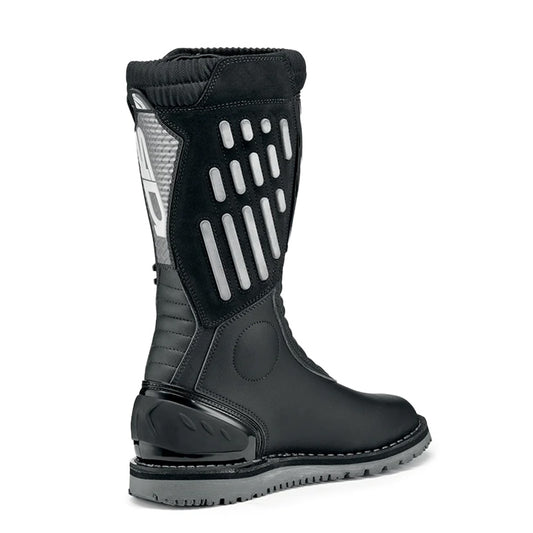
The Materiis Sole
Why Sidi Built Their Own Boot Sole from Scratch
Most motorcycle boot manufacturers buy their soles from the same handful of suppliers. It's cheaper, faster, and nobody usually notices, until the sole starts separating on a cold mountain road or the grip fails when you're pushing through a rain-soaked hairpin. Sidi noticed. After more than 60 years of making boots for riders who race MotoGP, compete in MXGP, and win Xtreme Enduro world championships, they understood something the industry had overlooked: the sole isn't just the bottom of a boot. It's the only part of you that's touching the ground when things go wrong.
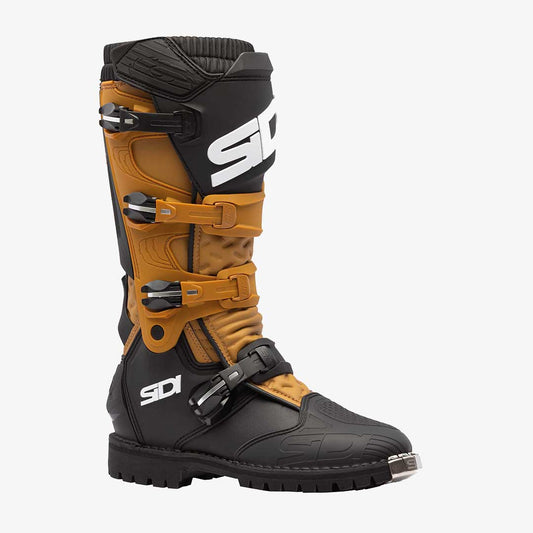
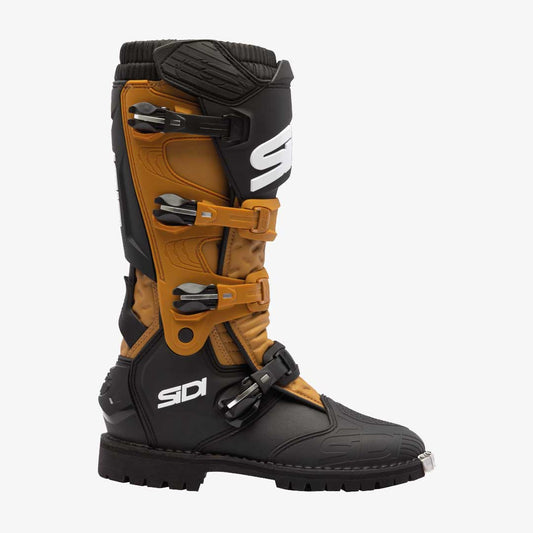
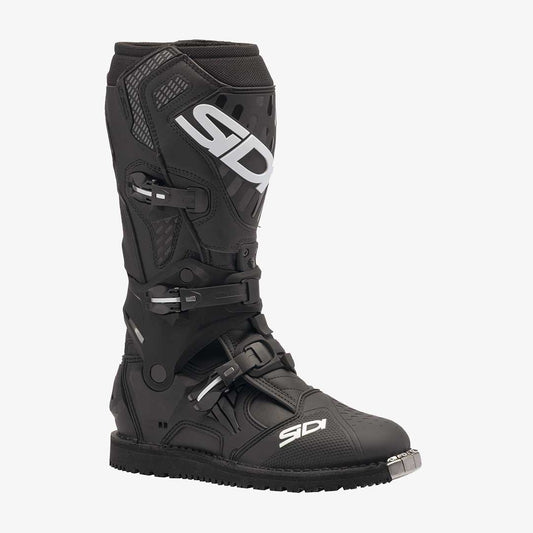
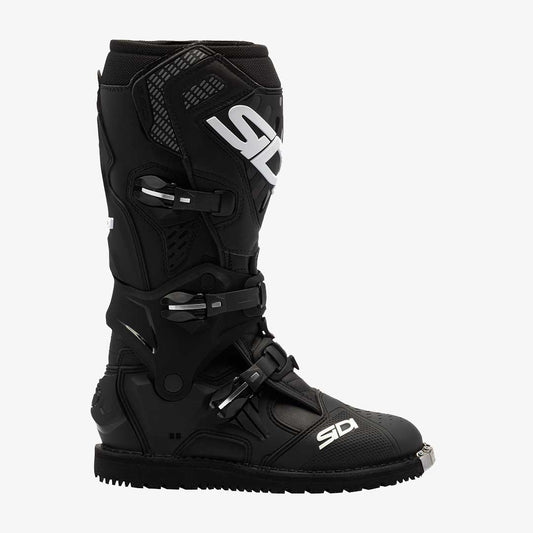
That's why Sidi built the Materiis sole themselves. Not bought in. Not licensed. Developed in-house, refined over decades, and now fitted across their entire range, from the Taurus GTX adventure touring boot to the Crossair X enduro boot and the Nucleus GTX motorcycle trainer. This is the story of why.

What the Materiis Sole Actually Is
Built from Motocross, Engineered for Everything
The Materiis sole is a proprietary rubber compound developed entirely by Sidi Sport in Italy. The name comes from the Latin materia, material, substance, the stuff things are made of, which tells you something about the philosophy behind it. This isn't a marketing name for a generic outsole. It's a material Sidi engineered specifically for the demands of motorcycle footwear.
The compound was developed in direct collaboration with top-level MXGP and Supercross athletes, the riders whose boots face the most extreme conditions on earth. Ruts, rocks, loam, mud, wet metal footpegs in the rain. The brief was straightforward: create a sole that grips every surface, wears slowly, and feels connected rather than numb underfoot.
What came out of that process is a rubber formulation that does something most soles can't, it transitions. Hard enough to resist shredding on rocky terrain, soft enough to bite on wet tarmac and footpegs, and structured with a tread pattern specifically designed for motorcycle use rather than adapted from walking or hiking boot soles. The difference matters when your foot is braced on a peg at 70mph or pushing a 130kg adventure bike out of a muddy Welsh gateway.
Importantly, the Materiis sole is also designed to be replaceable. Every boot it's fitted to, from the Crossfire 3 SRS to the Taurus GTX, is built so the sole can be swapped out when it wears. You're not buying a new boot when the grip goes. You're buying a new sole.
Why Grip on a Motorcycle Boot Is More Complex Than It Sounds
Four Surfaces. One Sole. Zero Compromises.
When you think about grip on a motorcycle boot, it's easy to assume it's just about not slipping. But motorcycle riders face four distinct grip requirements that other footwear categories never have to solve simultaneously, and most off-the-shelf soles only address one or two of them.
Footpeg grip is the most constant demand. Your feet are on the pegs for the entire ride. The sole needs to lock onto serrated or rubber-topped pegs without squirming or sliding under acceleration, braking, and cornering load. Too soft and the compound deforms and slips. Too hard and the boot won't engage the peg properly, you'll feel the vibration and lose the feedback you need for precise control.
Hard surface grip matters every time you put a foot down at a junction, push the bike at a petrol station, or walk to your destination at the other end. Wet tarmac, polished stone, metal drain covers, these are all daily hazards for motorcycle riders that a motocross-only sole would handle badly.
Off-road grip separates Sidi from most touring-focused brands. The Materiis sole was designed for riders who actually leave the tarmac, not for staged adventure photography, but real green lanes, gravel passes, and forest trails. The tread pattern clears mud without clogging, and the compound bites on loose ground where a hard touring sole would just ski.
Walkability is the final, often ignored factor. Off-road and adventure riders frequently need to dismount and walk, sometimes for significant distances. A sole optimised purely for pegs with a deep MX-style lug pattern is miserable to walk on and wears out quickly on tarmac. The Materiis compound and tread geometry is designed to work on foot as naturally as it works on the peg.
No bought-in generic sole solves all four of these at once. Sidi's decision to develop Materiis in-house was specifically because no existing supplier could. You'll find it on the Adventure 2 Gore, where walkability and off-road grip are both mission-critical, and on the Crossair HD, Billy Bolt's hard enduro boot, where the stakes for sole performance are about as high as they get in motorcycle sport.
The Long Argument for Buying Once
When the grip on a competitor's boot wears down after three years of hard use, the boot is finished. When the Materiis sole wears on a Sidi, you replace the sole, not the boot. The upper, the ankle protection, the CE 2222-certified structure, the Gore-Tex liner, all of that stays. Replacement parts are stocked and available, and the cost of a new sole is a fraction of a new boot.
The sole is also a quality signal for everything above it. When a brand develops a proprietary rubber compound alongside professional athletes, that's not where they cut corners on the rest of the build. The same rigour that produced Materiis runs through every buckle, every liner, and every protection system in the range, the sole is just the most visible expression of it.